
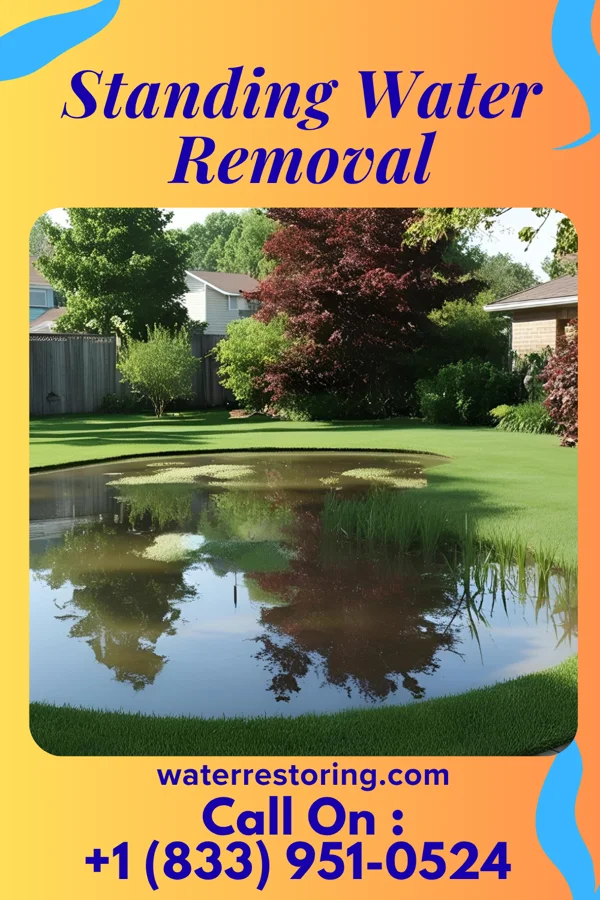
Why Cold Bay Sees Standing Water Often
The pattern in Cold Bay is consistent. In Cold Bay, Alaska, water damage often stems from coastal storms and heavy rainfall, which can lead to flooding in low-lying areas near the harbor. Additionally, thawing permafrost in the region can cause unexpected ground shifts and water seepage into basements and crawl spaces. drives most of the emergency restoration calls we get. A close second is Leaking septic systems and ruptured water pipes are common secondary causes, especially in older homes with outdated infrastructure. Winter ice buildup on roofs can also lead to ice dams and subsequent water intrusion..
Cold Bay's coastal location and frequent storm activity increase the risk of water damage, particularly during the fall and winter months when heavy precipitation and strong winds are common. The region's proximity to the Bering Sea also exposes it to saltwater intrusion risks.
Cold Bay's coastal location and frequent storm activity increase the risk of water damage, particularly during the fall and winter months when heavy precipitation and strong winds are common. The region's proximity to the Bering Sea also exposes it to saltwater intrusion risks. The dominant local driver is In Cold Bay, Alaska, water damage often stems from coastal storms and heavy rainfall, which can lead to flooding in low-lying areas near the harbor. Additionally, thawing permafrost in the region can cause unexpected ground shifts and water seepage into basements and crawl spaces., with Leaking septic systems and ruptured water pipes are common secondary causes, especially in older homes with outdated infrastructure. Winter ice buildup on roofs can also lead to ice dams and subsequent water intrusion. showing up as the next most common cause. Damage builds in stages. Spread. Absorption. Microbial growth. Structural compromise. Every stage you pass through adds to the final bill.
For public guidance on the health effects of mold after prolonged water exposure, see the EPA mold and health page.